

Last week, I wrote about the historic arrival of the National Provider Directory on April 9. This week I want to be more specific about what the NPD delivers, because the answer matters for anyone trying to plan around it.
Let me start with the wins, and they are real.
A common anchor file, finally
Before April 9, there was no authoritative national reference that payers, providers, HIEs, and app developers could all pull from. NPPES existed, but NPPES is a registration database, not a directory. PECOS is enrollment-focused. CAQH is self-reported. State licensing boards operate at the state level. The NPD is the first federally published, machine-readable file designed specifically to serve as industry connective tissue.
For NPI validation at claims adjudication, that anchor just got stronger. For health information exchanges, endpoint discovery is easier. For cross-program exclusion reconciliation against the LEIE, everyone now works from the same underlying identifier file. Those are real operational wins, and they start accruing immediately.
FHIR as the default, not the aspiration
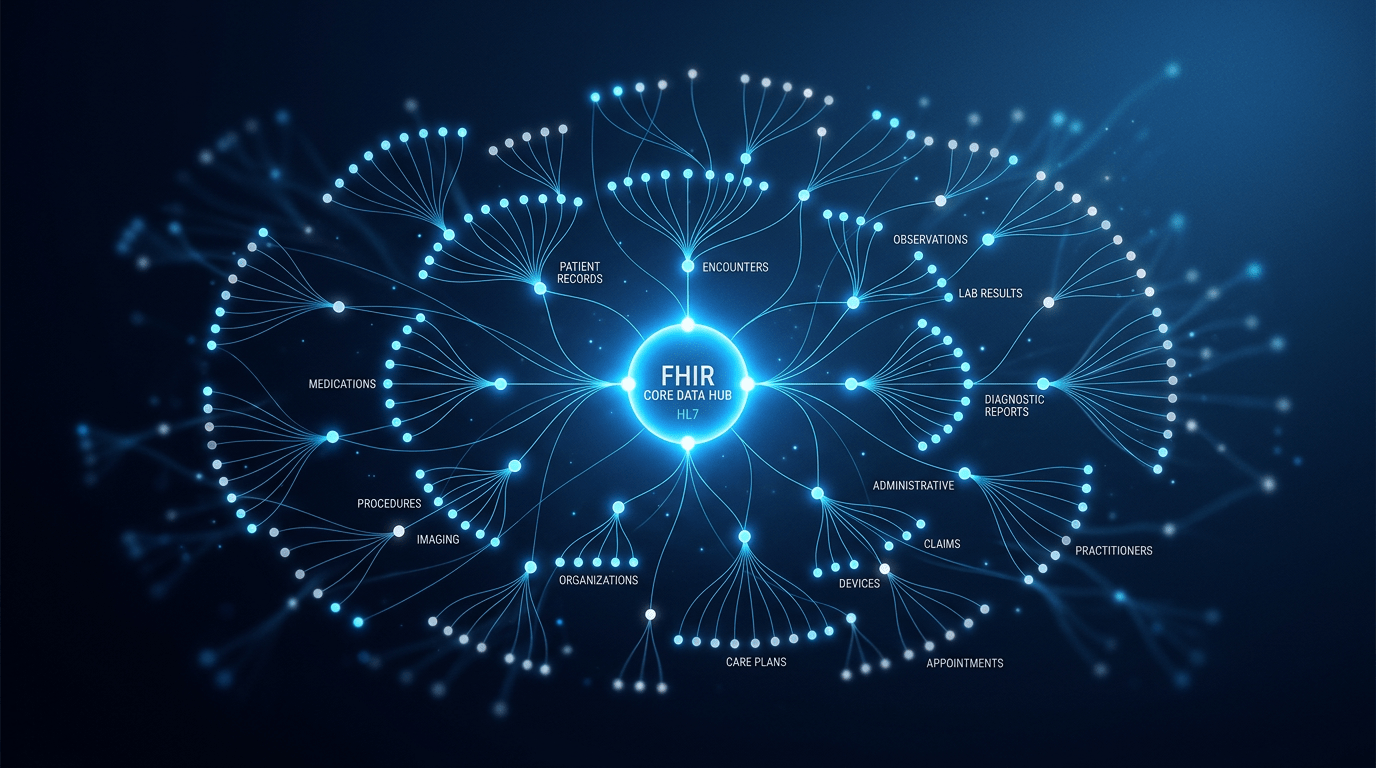
The NPD is FHIR-native. The 21st Century Cures Act has been pushing the industry toward FHIR for years, and the NPD’s launch in a FHIR format signals that the federal government is now building its own infrastructure to the same standard it asks payers to build to. That matters. Interoperability is easier to mandate when the mandating agency is operating in the same technical language.
Scale that actually works
7.44 million practitioner records. 3.49 million locations. 5.04 million endpoints. 7.18 million practitioner-role records. Built by a coordinated team working across multiple contractors and a public deadline. That is not a small lift. It is a coordinated engineering and policy accomplishment delivered on a timeline the industry had frankly stopped expecting.
A signal that directory accuracy is now a national policy priority
The NPD did not happen because federal engineers thought it would be a nice project. It happened because the harm from inaccurate directories became impossible to ignore. Senator Wyden’s Senate Finance Committee documented mental health provider reach rates that were indefensible. State attorneys general in New York, Georgia, California, Washington, and Delaware filed enforcement actions. The No Surprises Act created a federal cause of action for directory-related harm.
The NPD is the federal response to that pressure. Its arrival tells every payer CEO that directory accuracy is no longer a quiet back-office concern. It is now at the top of the federal policy agenda, and the infrastructure to publish it nationally is operational.
What comes next
Next week, I will write about what the NPD was not designed to do and why that scope is actually the right scope for a federal reference dataset. This is not a critique. The NPD team made intentional architectural choices, and understanding those choices is essential for any payer planning for 2027.
For now, credit where it is due: the National Provider Directory is a real accomplishment. The team that built it should be proud. The industry should build on it.
I used the following sources for reference. I invite you to check them out as well as to take a look at our overview of the NPD – what it is today, and what it isn’t:
- CMS — Provider Directory API FAQ
- Senate Finance Committee — Ghost Network Report (2023)
- Defacto Health – CMS Health Tech Ecosystem RFI: National Directory Comments
- Datagence: Provider Data Is Not a Compliance Problem. It’s a Revenue Problem.
- Datagence: Why Provider Directories Fail (And Always Have)
- Datagence: The Provider Enforcement Reckoning